UPDATE: Be sure to check out the follow-up to this post if you want to improve the model: Learn how to improve SMILES based molecular autoencoders with
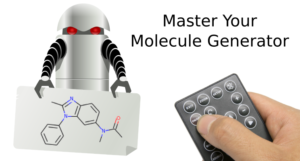
UPDATE: Be sure to check out the follow-up to this post if you want to improve the model: Learn how to improve SMILES based molecular autoencoders with

The SMILES enumeration code at GitHub has been revamped and revised into an object for easier use. It can work in conjunction with a SMILES iterator object
The film Inception with Leonardo Di Caprio is about dreams in dreams, and gave rise to the meme “We need to go deeper”. The title has also

Excel is widely used in businesses all over the world and can be used for many diverse tasks due to the flexibility of the program. I’ve been
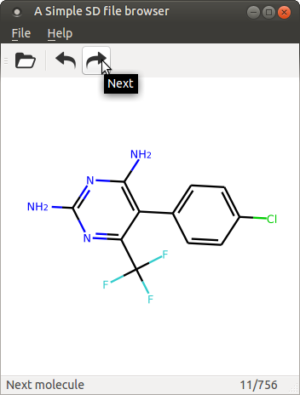
One of the more popular blog post based on monthly visitors is the old Create a Simple Object Oriented GUIDE GUI in MatLAB, but since I don’t

The process of expanding an otherwise limited dataset in order to more efficiently train a neural network is known as Data Augmentation For images there have been

I found some interesting toxicology datasets from the Tox21 challenge, and wanted to see if it was possible to build a toxicology predictor using a deep neural

In the last blogpost the battle tested principal components analysis (PCA) was used as a dimensionality reduction tool. This time we’ll take a deeper look into chemical
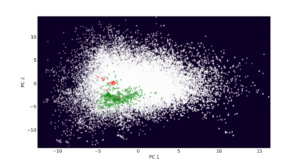
As covered before, chemical space is huge. So it could be nice if this multidimensional molecular space could be reduced and visualized to get an idea about
Neural networks are interesting models underlying much of the newest AI applications and algorithms. Recent advances in training algorithms and GPU enabled code together with publicly available